Datum:
25. September 2024 09:00 - 16:30 Uhr
Standort:
Online
Hier geht es zur Anmeldung.
Eintägiges Seminar über:
Die Leitung eines Labors bedarf der Koordination einer Vielzahl von Tätigkeiten und ist mit einer hohen Verantwortung verbunden. In Zeiten der Digitalisierung wird die effiziente Unterstützung der Laborprozesse immer wichtiger. Hierbei sind die Auswahl, Einführung und der Betrieb des zentralen Laborinformationsmanagementsystems (LIMS) von entscheidender Bedeutung.
In diesem Kurs erhalten Sie nicht nur einen generellen Überblick über moderne Labor-Informatik mit Fokus auf LIM-Systeme, sondern es werden auch regulatorische Anforderungen, die Vorgehensweise zur LIMS-Auswahl adressiert und Hinweise auf eine optimale LIMS-Einführung gegeben.
Erfahren Sie mehr über das Event hier.
Inhalt:
Informatik im Labor
- Was ist ein LIMS
- Was bietet ein LIMS?
- Welcher Nutzen ist zu erwarten?
- Weitere Begriffe ELN, LES, CDS
- Dokumentenmanagement-Systeme DMS
Grundmodule eines LIMS
- Probeneingang und Probenregistrierung
- Festlegung des Untersuchungsumfangs
- Unterstützung bei Probenverteilung und Bearbeitung
- Ergebnisdatenerfassung
- Berechnung von Ergebnissen bzw. Grenzwertprüfungen
- Freigabe der Prüfergebnisse
- Berichtswesen und Auswertungen
Labororganisation und Prozesse
- Denken in Prozessen
- Prozesse digitalisieren
- Workflow-Optimierung
- Optimierungspotenziale aufdecken
Wie finden Sie das beste LIMS fürs Labor?
- Prozessanalyse und -optimierungen
- Lastenheft
- Anbieterübersicht
- Ausschreibung
Wandel im Labor - Mit OCM zum Erfolg in LIMS-Projekten
- Digitalisierung = LIMS?
- Für wen sollte digitalisiert werden? Welches Problem soll eigentlich gelöst werden?
- Organizational Change Management
- Projektmanagement Agile vs. Waterfall
Regulatorische Anforderungen
- Einfluss auf Prozesse
- Informatikunterstützung zur Einhaltung regulatorischer Anforderungen
- 21 CFR Part 11, Datenintegrität, Audit Trail (Review)
- Benutzeridentifizierung
- Verschiedene Arten der elektronischen Signatur
Geräteanbindung
- Ansätze und Möglichkeiten, Vor- und Nachteile
- Datenintegrität
- Die Bedeutung von Daten und Kommunikationsstandards
Lernziele:
Nach dem Seminar
- kennen Sie unterschiedliche Software-Kategorien in der Labor-Informatik und die grundsätzlichen Funktionalitäten eines LIMS.
- wissen Sie, was im regulierten Umfeld beachtet werden muss.
- kennen Sie grundlegende Anforderungen für die Auswahl der für Sie am besten geeigneten Software.
Unsere Referenten:
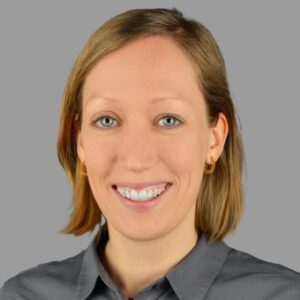
Annika Hantusch
Frau Dr. Annika Hantusch ist seit 2024 bei der wega Informatik AG im Bereich LIMS, Projektmanagement und OCM tätig. Sie hat im Bereich Systembiologie promoviert. Mit mehr als sechs Jahren Erfahrung in LIMS-Projekten auf Kunden- und Anbieterseite bringt Dr. Hantusch umfangreiche Kenntnisse in der Konfiguration, dem Go-Live-Prozess und dem Support von LIMS mit. Ihr technisches Know-how wird durch praktische Erfahrung in Laborarbeit, Laborprozessen sowie Forschung und Entwicklung ergänzt, was sie zu einer wertvollen Expertin in ihrem Bereich macht.

Joachim Thewalt
Experte für die Analyse und Erfassung von Geschäftsanforderungen.
Er ist spezialisiert auf Prozesse im analytischen Labor im Life-Science-Umfeld und vertraut mit vielen Softwareprodukten auf dem Markt, die es ermöglichen, papierlose Laborlösungen sowohl von der Anwender- als auch von der technischen Seite zu implementieren.
Er kennt die Anforderungen, validierte Systeme nach der GAMP-Richtlinie zu spezifizieren und zu implementieren. Darüber hinaus ist er erfahren in der Leitung von Ausschreibungen (RfP) für Kunden oder der Beantwortung von RfPs im Namen von Lieferanten.
Sein Life Science Wissen ermöglicht es ihm, zwischen den Bedürfnissen der Anwender und den technischen Möglichkeiten von IT-Systemen zu vermitteln.

Utz-Peter Jagusch
Utz-Peter Jagusch ist Berater bei der wega Informatik (Deutschland) GmbH mit den Schwerpunkten Sample-Logistic, Prozessoptimierung, Laborautomation und Datenmanagement.
Als Chemieingenieur mit über 20 Jahren Erfahrung in der Pharmaindustrie war er verantwortlich für Erstellung von Automatisierungskonzepten, Projektierung und betriebliche Umsetzung von neuen Anlagen und Geräten für die Laborautomatisierung als Projektleiter in Zusammenarbeit mit externen Partnern und Technologiefirmen im Bereich R&D.
Er führte Prozessptimierung im Bereich des Substanzmanagements (u.a. Substanzregistrierung, Cherry-Picking, projektbasierte Screening-Platten, Online-Integration des Liquid-Handlings), Aufbau von Workflow-Management-Systemen für die Prozessanalytik durch. Die Entwicklung und Implementierung neuer effektiver und technologiebasierter Methoden und Verfahren zur Bestimmung physikalisch-chemischer Daten, HPLC- und NMR-Analytik gehörte ebenfalls zu seinem Aufagengebiet.
Verantwortlich für die Evaluierung, Beschaffung, Einrichtung und Schnittstellenintegration (IT-Infrastruktur und Software für die Parallelsynthese, elektronische Laborjournale, LIMS und Registrierungssysteme sowie Daten, Analytik, Substanzlogistik, biologische Daten.